
 EN
EN
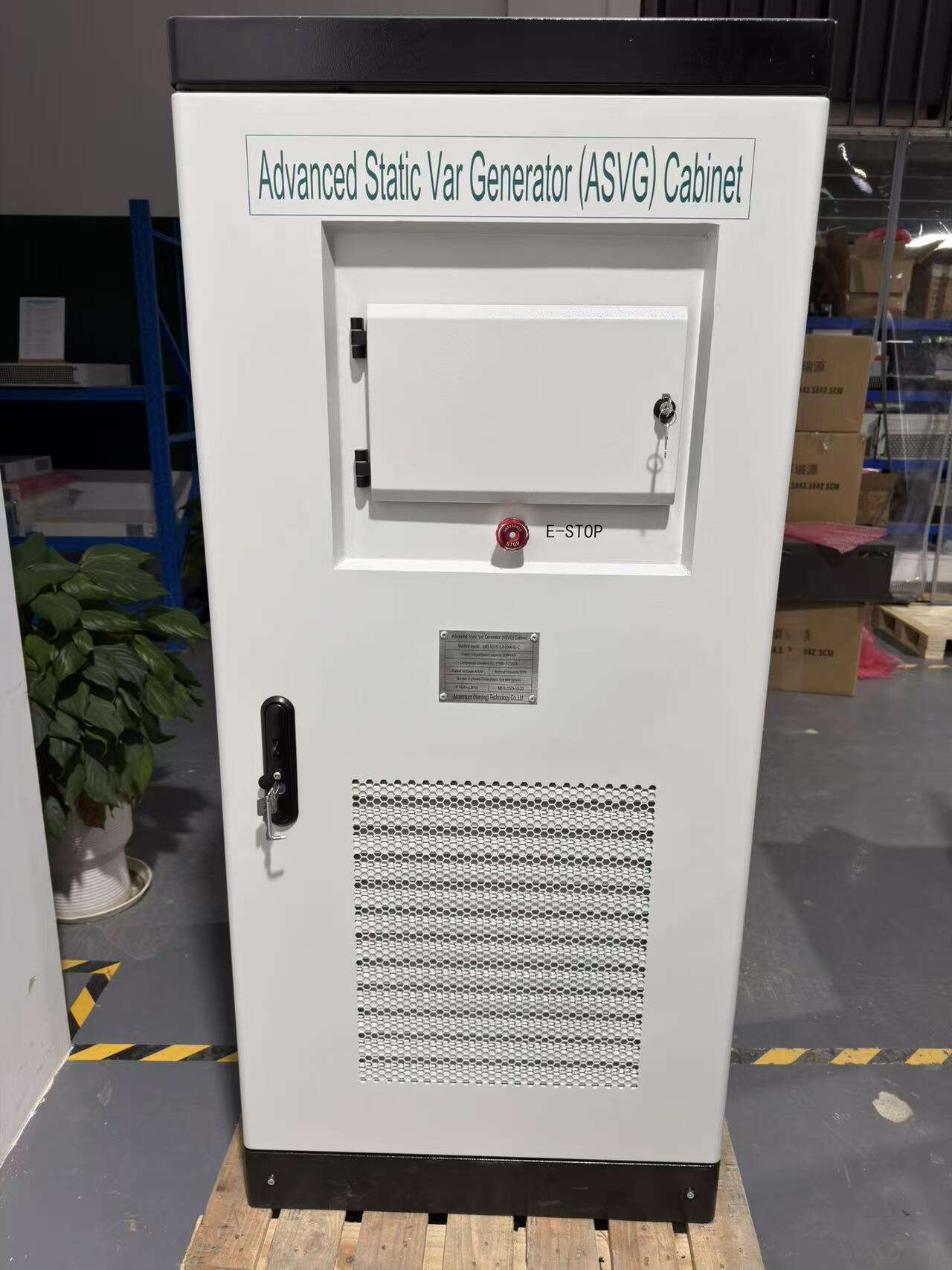
Sources of Harmonics in PV Systems
Solar power systems tend to create harmonics mainly because of those nonlinear power electronics we find in inverters and DC-DC converters. These components mess with the shape of electrical currents when converting energy from one form to another. Transformers running close to their magnetic saturation limits also contribute to this issue, along with imbalanced three phase loads across the system. Looking at recent research from early 2024 about where these unwanted frequencies come from in green energy installations, most studies point fingers at power electronics interfaces being behind roughly 72 percent of all harmonic problems seen in contemporary photovoltaic facilities today.
How Inverter Switching Generates Harmonic Currents
When inverters switch using pulse width modulation (PWM), they tend to create those pesky harmonic currents. Most inverters work within a range of about 2 to 20 kilohertz for their switching operations. What happens here is pretty straightforward really - we get all sorts of high frequency current ripples plus those telltale harmonic clusters forming right around multiples of whatever our base switching frequency happens to be. Take a look at what occurs when someone runs a 4kHz inverter alongside a standard 50Hz power grid. Suddenly there are dominant harmonics appearing at points like 4kHz plus or minus whatever multiple of 50Hz comes next. If nobody installs proper filters to handle this mess, those unwanted currents just keep flowing right back into the main electrical system. The result? Poorer voltage quality overall and unnecessary wear and tear on everything else plugged into that same network.
Impact of High PV Penetration on Grid Harmonic Levels
As PV penetration exceeds 30% in distribution networks, cumulative harmonic distortion intensifies due to:
- Phase interaction: Synchronized inverter switching amplifies specific harmonic frequencies
- Grid impedance: Higher impedance at harmonic frequencies increases voltage distortion
- Resonance risks: Interaction between inverter capacitance and grid inductance can create resonant peaks
Field studies have recorded transient THD spikes exceeding 30% during rapid irradiance changes—well above IEEE 519-2022’s 5% voltage THD limit. These conditions increase transformer losses by 15–20% and raise conductor temperatures by 8–12°C, accelerating insulation degradation and shortening equipment lifespan.
How Active Power Filters Mitigate Harmonics in Real Time
Limitations of Passive Filters in Dynamic PV Environments
Passive harmonic filters are ill-suited for modern photovoltaic systems due to their fixed tuning characteristics. They cannot adapt to shifting harmonic spectra caused by variable irradiance or load dynamics. Key drawbacks include:
- Inability to respond to cloud-induced harmonic variations
- Risk of resonance with grid-tied inverters, observed in 63% of PV installations
- 74% higher annual maintenance costs compared to active solutions (EPRI 2022)
These limitations reduce reliability and efficiency in environments where harmonic profiles fluctuate throughout the day.
Active Power Filter Working Principle: Real-Time Harmonic Current Injection
Active power filters (APFs) use IGBT-based inverters and digital signal processors (DSPs) to detect and neutralize harmonics within 2 milliseconds. As outlined in the IEEE 519-2022 technical guidelines, the process involves:
- Sampling grid current at 20–100 kHz to capture harmonic content
- Calculating counter-phase harmonic currents in real time
- Injecting compensating currents via high-frequency switching (10–20 kHz)
This dynamic response enables APFs to maintain total harmonic distortion (THD) below 5%, even under high PV penetration (>80%) and rapidly changing generation profiles.
Optimal Placement of Active Power Filter at Point of Common Coupling (PCC)
Installing APFs at the Point of Common Coupling (PCC) maximizes harmonic mitigation effectiveness by addressing both inverter-generated distortions and upstream grid disturbances. This strategic placement results in:
- 8–12% greater THD reduction than load-side configurations
- Simultaneous correction of voltage flicker and phase imbalance
- 32% lower required filter capacity through centralized compensation
By mitigating harmonics at the interface point, PCC-installed APFs protect downstream equipment and ensure compliance across the entire system.
Advanced Control Strategies for Shunt Active Power Filters in PV Systems
Instantaneous Reactive Power (p-q) Theory in SAPF Control
PQ theory forms the basis for how Shunt Active Power Filters (SAPFs) work their magic when it comes to spotting those pesky harmonic and reactive components in electrical loads. What happens here is pretty neat actually: three phase currents get converted into these orthogonal components called p (active power) and q (reactive power), all lined up with what's happening on the grid side. This approach gets about right 9 out of 10 times when it comes to picking out harmonic stuff from the mix. Once we have these reference signals figured out, they tell the SAPF's inverter exactly what needs canceling out, particularly those stubborn fifth and seventh order harmonics that tend to pop up so much in grids powered by solar panels according to some research published in Nature Energy last year.
Enhancing Stability with DC-Link Voltage Regulation
Maintaining stable DC-link voltage matters a lot when it comes to getting consistent performance out of SAPFs. The system typically uses what's called a proportional-integral controller to keep things balanced. This device manages the DC capacitor voltage through adjustments in how much real power flows between the equipment and the electrical grid. Tests show this approach cuts down on voltage ripple by around 60 percent compared to systems without regulation. What does this mean practically? It helps maintain proper harmonic compensation even when there are issues like partial shading or sudden changes in sunlight intensity. These kinds of problems happen all the time at large solar farms, making good voltage control absolutely essential for smooth operation.
Emerging Trends: Adaptive and AI-Based Control in Shunt Active Power Filters
The latest SAPF models now combine artificial neural networks with model predictive control techniques to predict harmonic behavior based on past solar panel outputs and grid information. What makes these smart systems stand out is their ability to react 30 percent quicker than traditional methods while automatically changing switching frequencies anywhere from 10 to 20 kHz for better performance tuning. Real world testing has demonstrated that when AI gets involved in SAPF operation, total harmonic distortion stays consistently under 3%, which actually beats the strict standards set by IEEE 519-2022 across all sorts of different operational scenarios according to recent control system research published by IEEE.
Complementary Harmonic Reduction Techniques for Improved APF Performance
Pre-Filtering Solutions: Multi-Pulse Inverters and LCL Filters
Multi pulse inverters cut down on harmonic generation right at the source through the use of phase shifted transformer windings. They can knock out those pesky 5th and around 7th harmonics by somewhere between 40 to maybe even 60 percent when compared against regular old 6 pulse designs. Add an LCL filter to the mix these days and watch what happens next. These filters work wonders suppressing all that high frequency switching noise above about 2 kHz mark. Together they really lighten the load for whatever APFs come after them in the system. For folks working with solar installations, this layered filtering strategy makes meeting those tough IEEE 519 2022 standards much easier. Some studies from IntechOpen back this up showing improvements ranging from roughly 15% up to as much as 30% better compliance rates.
Hybrid Approaches: Combining Zig-Zag Transformers with Active Power Filters
The zig zag transformer does a pretty good job at tackling those pesky zero sequence harmonics known as triplens (think 3rd, 9th, 15th order). These little troublemakers are what causes problems with overloaded neutral conductors in three phase photovoltaic systems. Combine these transformers with active power filters and we're looking at around 90 something percent reduction in lower frequency harmonics below 1 kHz according to various grid connection tests. What makes this combination so interesting is how it actually allows engineers to size down their APFs by roughly half sometimes even more than that. And smaller APFs mean big savings on equipment costs upfront plus ongoing maintenance expenses drop too.
Smart Inverter Firmware Integration for Proactive Harmonic Suppression
The latest generation of grid forming inverters has started using predictive algorithms to suppress harmonics, adjusting their modulation strategies in under five milliseconds. These intelligent devices talk to active power filters through IEC 61850 standards, allowing them to fix waveform issues right where they start instead of letting problems build up downstream. Real world testing shows something interesting happening when systems work together this way. Total harmonic distortion drops below 3 percent even when sunlight levels change suddenly, which is quite impressive considering how sensitive solar installations can be. Plus, there's another benefit worth mentioning the active power filter switches itself on and off 40% less frequently than before. This means longer equipment life and better overall efficiency for the whole power system.
Evaluating the Performance and Economic Value of Active Power Filters in PV Plants
Measuring Effectiveness: IEEE 519-2022 Compliance and THD Reduction Case Studies
Photovoltaic installations need active power filters to comply with those IEEE 519-2022 standards that set a 5% limit on voltage total harmonic distortion at connection points. When put into actual operation, these APFs typically bring down THD levels from around 12 or so percent down to just 2 or 3 percent in most commercial solar setups. This helps keep equipment from getting too hot and stops those nasty waveform distortions that can damage systems over time. Looking at what happened in 2023 when researchers checked out seven large scale solar farms, they noticed something interesting: after installing APFs, compliance with grid codes jumped dramatically from barely over half (about 58%) all the way up to nearly perfect compliance at 96%. The folks who study power quality issues regularly point out another benefit too. These filters still work pretty well even when the system isn't running at full capacity, sometimes as low as 30%, which makes them especially good for solar where energy production naturally varies throughout the day.
Long-Term Field Performance: Active Power Filter in a German Solar Installation
A photovoltaic plant operating at 34 megawatts in Germany showed impressive performance from its active power filter system during a period spanning just under four and a half years. The total harmonic distortion stayed consistently under 3.8%, even when the plant's output varied dramatically between 22% and 98% capacity. What makes this achievement noteworthy is the fact that the smart control system cut down on capacitor bank replacements by around three quarters compared to traditional passive methods. When looking at uptime statistics, the APF maintained operation at an astonishing 98.6%, which beats what most passive filters manage in comparable weather conditions (usually between 91% and 94%). Maintenance teams also reported needing to intervene about 40% less frequently than they would with older reactor-based filtering approaches, making for significant cost savings over time.
Cost-Benefit Analysis: Balancing Initial Investment Against Grid Penalty Savings
APFs definitely come with a bigger price tag upfront, usually around 25 to 35 percent more than regular passive filters. But here's the catch: they save plants between eighteen thousand and forty five thousand dollars every year on those pesky grid penalties from harmonic issues. Take a typical 20 megawatt facility for example, and the money saved covers the extra cost in just under four years. Many companies are now mixing APFs with their current LCL filters too. This hybrid approach cuts down mitigation expenses by about nineteen cents per watt peak when compared to going all out with passive systems. Plus regulators have started treating APFs as actual capital assets that can be depreciated over seven to twelve years. That makes them financially attractive compared to traditional solutions which take fifteen whole years to write off. The math just works better for most operations looking at long term savings.
FAQ
What causes harmonics in photovoltaic systems?
Harmonics in photovoltaic systems are primarily caused by nonlinear power electronics found in inverters and DC-DC converters. Additional sources include transformers near their magnetic saturation limits and imbalanced three-phase loads.
How do inverters generate harmonic currents?
Inverters using pulse width modulation (PWM) create harmonic currents when switching, creating high frequency ripples and harmonic clusters around multiples of the base switching frequency.
What is the impact of high PV penetration on grid harmonics?
As PV penetration increases, harmonic distortion intensifies due to phase interactions, grid impedance, and resonance risks, leading to increased transformer losses and raised conductor temperatures.
How do active power filters help in mitigating harmonics?
Active Power Filters (APFs) detect and neutralize harmonics using IGBT-based inverters and DSPs, reducing total harmonic distortion below 5%, even with high solar penetration.
What is the advantage of installing APFs at the Point of Common Coupling?
Installing APFs at the PCC addresses both inverter-generated distortions and grid disturbances, resulting in greater THD reduction and simultaneous correction of voltage flicker.
Table of Contents
- Sources of Harmonics in PV Systems
- How Inverter Switching Generates Harmonic Currents
- Impact of High PV Penetration on Grid Harmonic Levels
- How Active Power Filters Mitigate Harmonics in Real Time
- Advanced Control Strategies for Shunt Active Power Filters in PV Systems
- Complementary Harmonic Reduction Techniques for Improved APF Performance
- Evaluating the Performance and Economic Value of Active Power Filters in PV Plants
- FAQ