
 EN
EN
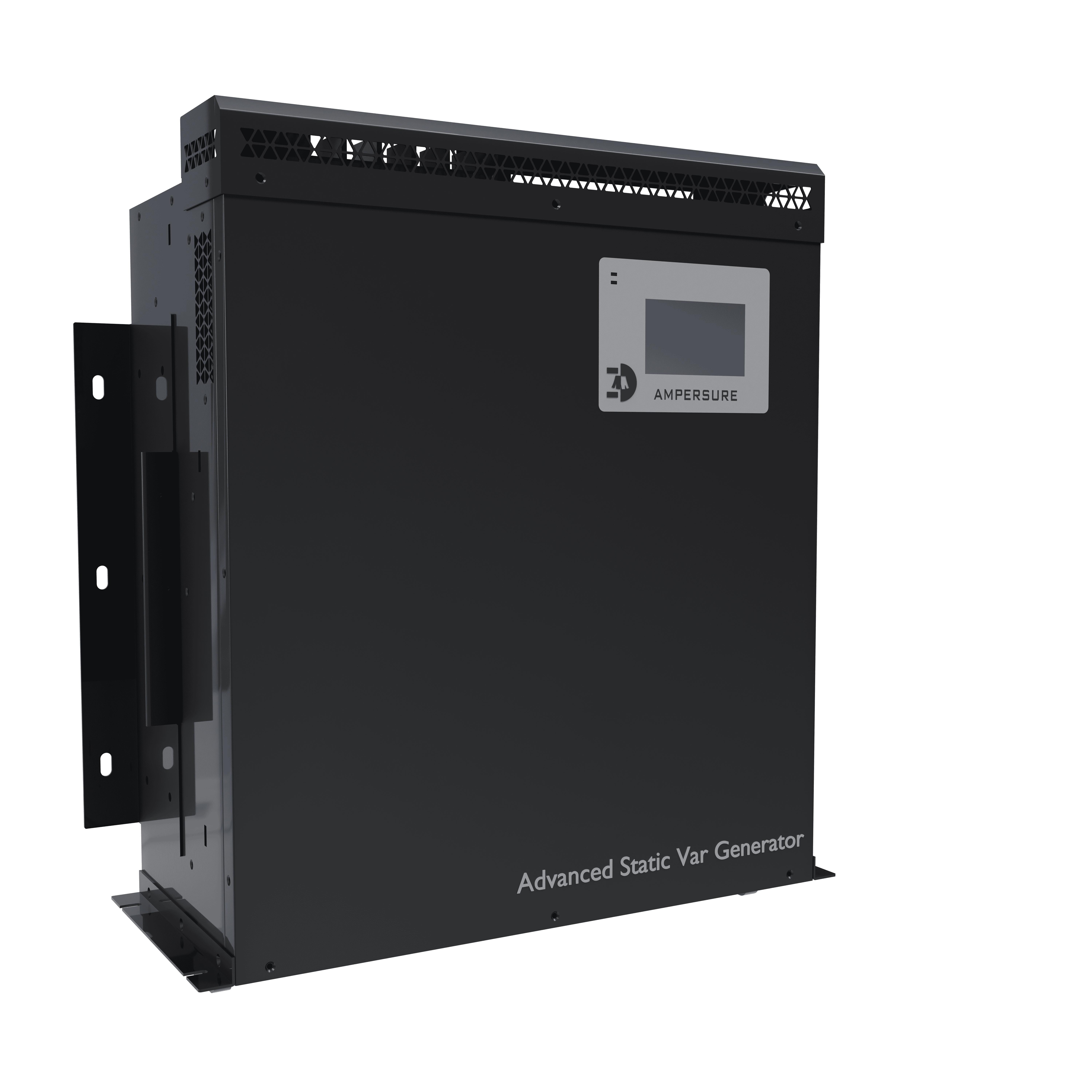
Understanding Harmonics from Frequency Converters and Their Impact on Power Quality
Harmonic Distortion Caused by Variable Frequency Drives (VFDs)
Variable frequency drives, or VFDs, are pretty much necessary for controlling motor speeds but they come with a downside. They create harmonic distortion because of their non-linear switching process. These harmonics, which are basically integer multiples of the main frequency, lead to significant voltage and current distortions. Most industrial installations see these distortions reaching between 15 to 25 percent THD. According to recent research from 2023, about 62% of unexpected downtime across manufacturing plants seems linked to this harmonic issue. When these irregular currents run through the system, transformers and capacitors get overloaded, causing all sorts of problems. That's why many plant managers are now paying closer attention to power quality management as part of their maintenance routines.
How Frequency Converter Harmonics Degrade System Efficiency and Equipment Lifespan
When harmonics push electrical components beyond what they're designed for, motors lose efficiency somewhere around 8 to 12 percent because of those pesky eddy current losses. The insulation on cables and windings breaks down three times quicker than normal too. And we're talking about wasting between $18 and $42 worth of electricity each year just for every 100 kW variable frequency drive system. Over time these problems stack up pretty badly. Equipment simply doesn't last as long anymore either - studies show lifespan cuts down by roughly 30 to 40 percent when there's no proper harmonic control in place according to research published in the IEEE 519 Standards Review back in 2022.
THD Challenges Under Variable Load Conditions: Industry Benchmarks and Compliance
Facilities today deal with total harmonic distortion (THD) levels ranging anywhere between 5% and 35% when production cycles shift around, which frequently goes beyond the 8% voltage THD threshold set by IEC 61000-3-6 standards. The dynamic harmonic filters tackle these issues because they adjust themselves constantly based on how loads behave throughout operations. Passive solutions aren't as effective since engineers typically need to size them at least 150%, sometimes even 200%, larger than necessary just to handle those rare but problematic situations. Industry data shows that roughly three quarters of all new plant installations now include some form of real time harmonic monitoring system simply because regulatory bodies keep updating their requirements for electrical grids across different regions.
How Dynamic Harmonic Filters Enable Real-Time, Adaptive Harmonic Mitigation
Active Harmonic Compensation Using Adaptive Algorithms in Dynamic Harmonic Filters
Today's dynamic harmonic filters work with smart algorithms that scan for harmonic patterns 128 times during each electrical cycle. This allows them to spot distortion problems within less than half a millisecond. The systems make use of those IGBT components along with digital signal processing tech to create exact counter currents that cancel out unwanted harmonics all the way up to the 50th order. Field tests back in 2023 showed pretty impressive results too. Adaptive filters cut down Total Harmonic Distortion levels from around 28% down to just 3.8% in those tricky CNC machining environments where loads keep changing unpredictably. Passive filters can only handle set frequencies, but these newer systems actually adjust what they focus on depending on what's happening in real time. They'll typically zero in on those pesky 5th, 7th and 11th order harmonics when needed most.
Real-Time Response to Fluctuating Harmonics in Industrial Motor Loads
Dynamic filters can respond to changes in motor loads in under 2 milliseconds, which is about 25 times quicker compared to those old school passive filters we used back in the day. When things get going fast like this, it stops voltage flickering issues and keeps expensive gear safe from all that heat buildup caused by harmonics. Take steel mills for instance where loads can jump around by as much as three hundred percent sometimes. These modern filters still manage to keep total harmonic distortion levels well within the 5% limit set by IEEE standards (that's 519-2022 if anyone cares). They do this even when several big 400 horsepower variable frequency drives start running at once across different parts of the plant. Check out the numbers comparison in the table right here to see just how much better they perform against other options on the market today.
| Parameter | Passive Filter | Dynamic Filter | Improvement |
|---|---|---|---|
| Response Time | 50–100 ms | <2 ms | 25–50x |
| THD Reduction | 12%–8% | 28%–3.8% | 68% |
| Energy Loss | 3–5% | 0.8% | 84% |
Case Study: Performance During Rapid VFD Load Transitions
When a cement facility installed dynamic harmonic filters, they saw an impressive 92% drop in total harmonic distortion during those tricky bucket elevator startup moments, according to the 2023 report from Ampersure. What really stands out is how fast the system responds - it handles load changes from zero to full capacity in just over a second. This quick adaptation stopped those annoying voltage dips that used to cause conveyor motor trips anywhere from four to six times every month. And there's more good news: maintenance expenses went down by nearly 40% each year because the bearings in those big 250kW variable frequency drive fans lasted much longer without failing. For plant managers dealing with aging equipment, these kinds of improvements make all the difference in daily operations.
Dynamic Harmonic Filter vs. Passive Solutions: Advantages in Modern Industrial Systems
Response Speed, Accuracy, and Adaptability: Active vs. Passive Filtering
When it comes to handling harmonic issues, dynamic filters beat out traditional passive options because they respond to changes in harmonics about 500 to 1000 times quicker. This matters a lot for places running variable frequency drives (VFDs) and robots that constantly change their power demands. Passive filters have this problem where they're locked into certain frequencies and can cause resonance problems if things shift around. Dynamic systems work differently though. They keep checking the harmonics all day long through smart algorithms and knock out those distortions in just 20 milliseconds according to the latest 2024 report on harmonic mitigation. What does this mean practically? Facilities see total harmonic distortion drop below 5% even when there's a sudden spike in demand, while old passive systems typically struggle with 15 to 20% distortion under the same circumstances as shown in IEEE 519-2022 standards.
| Factor | Dynamic Filters | Passive Filters |
|---|---|---|
| Frequency Targeting | 2nd to 50th order harmonics | Fixed 5th/7th/11th order tuning |
| Load Flexibility | Effective at 10–100% system load | Optimal only at ±15% design load |
| Resonance Risk | Eliminates system resonance | 34% exacerbate resonance (Case Study 2023) |
The Cost-Performance Paradox: Over-Sizing Passive Filters vs. Deploying Dynamic Solutions
Passive filters typically cost about 30 to 40 percent less when first installed, but industrial facilities tend to size them around 30% larger than needed just to deal with unpredictable harmonics. This practice eats away at those initial cost advantages pretty quickly. Take one steel mill operation as an example they had to replace capacitors costing roughly $18,000 each year plus deal with energy waste caused by resonance issues something that doesn't happen with dynamic filters which last about twelve years before needing replacement. According to several major equipment makers, companies switching to dynamic filtering systems usually see their investment pay off within two to three years thanks to significantly reduced system failures there were reports of 35 to even 50% fewer power interruptions. Plus these facilities avoid getting hit with extra charges from utilities for maintaining substandard power quality standards, according to recent industry analysis on power economics.
Measurable Power Quality Improvements with Dynamic Harmonic Filtering
THD Reduction Across Variable Operating Conditions
Dynamic harmonic filters maintain THD below 5% even during abrupt motor speed changes or production line shifts, aligning with IEEE-519 compliance thresholds. For example, a 2023 analysis of metal fabrication plants revealed a 78% THD reduction compared to unfiltered systems, with voltage waveforms stabilizing within 2 cycles of load transitions.
Voltage Stabilization and Reduced Stress on Downstream Equipment
Dynamic filters work by stopping those pesky harmonic currents right before they spread throughout the power network, which helps avoid problems like voltage flat-topping and dangerous resonance situations. What does this actually mean? Well, transformers experience about 35% less heat stress, and motor bearings last between 20 to 40% longer in places such as plastic extrusion plants and heating/cooling systems. There's another benefit too. Maintenance expenses drop around 12 to 18% for things like capacitors and switchgear equipment. We saw this happen during some real world testing at pharmaceutical factories over six months back.
Growing Adoption Trends in Manufacturing and Process Industries
When food processing facilities implement dynamic filtering systems, they tend to experience around 23 percent fewer production halts caused by those pesky voltage sags. Meanwhile, automotive original equipment manufacturers are hitting power factor readings above 0.95 without needing to tweak their capacitor banks at all. Looking at the bigger picture, the worldwide market for these adaptive harmonic solutions saw impressive growth last year, jumping nearly 29% year over year in 2023. This surge makes sense when we consider stricter regulations coming down and how much money companies save using real time mitigation techniques compared to traditional passive filter retrofits which just don't cut it anymore.
Technical Limitations and Operational Considerations of Dynamic Harmonic Compensation
Response Time Constraints During Sudden Load or Harmonic Spikes
Dynamic harmonic filters generally react in about 2 to 5 milliseconds, but this response time becomes problematic when dealing with sudden load changes common in heavy industries such as mining operations with rock crushers or steel production facilities running rolling mills. According to research published by IEEE in 2023 looking at various industrial power setups, there were instances where total harmonic distortion spiked above 22% over half a second periods whenever current loads jumped by around three times normal levels. These surges often pushed beyond what many filters could handle effectively. The delay happens because these smart filtering systems need actual time to process what's happening before they can adjust their responses accordingly.
Risk of Filter Saturation Under Complex or Extreme Harmonic Spectra
The modern multi pulse frequency converters along with DC drive systems tend to produce overlapping harmonic orders which really test the limits of what dynamic filters can handle when it comes to current injection. Take for instance a real world situation where a 12 pulse cement kiln drive was operating. The harmonics coming from the 11th, 13th, and 25th orders actually led to temporary saturation of the filters, and this dropped the THD improvement down quite a bit from around 92 percent all the way to about 68 percent during those busy operational peaks. Most top manufacturers these days are suggesting that engineers should size their filter current ratings somewhere between 25 to 40 percent larger than needed for setups dealing with IEEE 519 Category IV harmonic situations. This gives some extra breathing room when unexpected transient conditions pop up in actual operation.
System designers must balance these operational constraints against performance requirements, often deploying harmonic studies and real-time simulation tools to validate filter configurations under worst-case scenarios. When properly sized and integrated, dynamic filters still achieve 85–90% harmonic suppression reliability across most industrial use cases despite these inherent limitations.
FAQ
What are harmonic distortions, and how do they affect industrial systems?
Harmonic distortions are waveforms at integer multiples of the main frequency created by devices like VFDs. They cause voltage and current distortions which can lead to inefficiencies and equipment damage.
How do dynamic harmonic filters improve power quality?
Dynamic harmonic filters use adaptive algorithms to detect and counteract harmonics in real time, keeping THD below acceptable limits and improving system efficiency and equipment lifespan.
Why are passive filters less effective than dynamic filters?
Passive filters target fixed frequencies and can struggle with resonance issues. Dynamic filters adapt to changing conditions in real time, offering quicker response and broader efficacy.
What are the benefits of using dynamic harmonic filters in industrial systems?
They offer faster response times, reduce maintenance costs, increase equipment lifespan, and enhance overall power quality and system reliability.
Are there any drawbacks to using dynamic harmonic filters?
They may struggle with response time during sudden load spikes and can face saturation issues with complex harmonic spectra, but proper sizing can mitigate these downsides.
Table of Contents
- Understanding Harmonics from Frequency Converters and Their Impact on Power Quality
- How Dynamic Harmonic Filters Enable Real-Time, Adaptive Harmonic Mitigation
- Dynamic Harmonic Filter vs. Passive Solutions: Advantages in Modern Industrial Systems
- Measurable Power Quality Improvements with Dynamic Harmonic Filtering
- Technical Limitations and Operational Considerations of Dynamic Harmonic Compensation
-
FAQ
- What are harmonic distortions, and how do they affect industrial systems?
- How do dynamic harmonic filters improve power quality?
- Why are passive filters less effective than dynamic filters?
- What are the benefits of using dynamic harmonic filters in industrial systems?
- Are there any drawbacks to using dynamic harmonic filters?